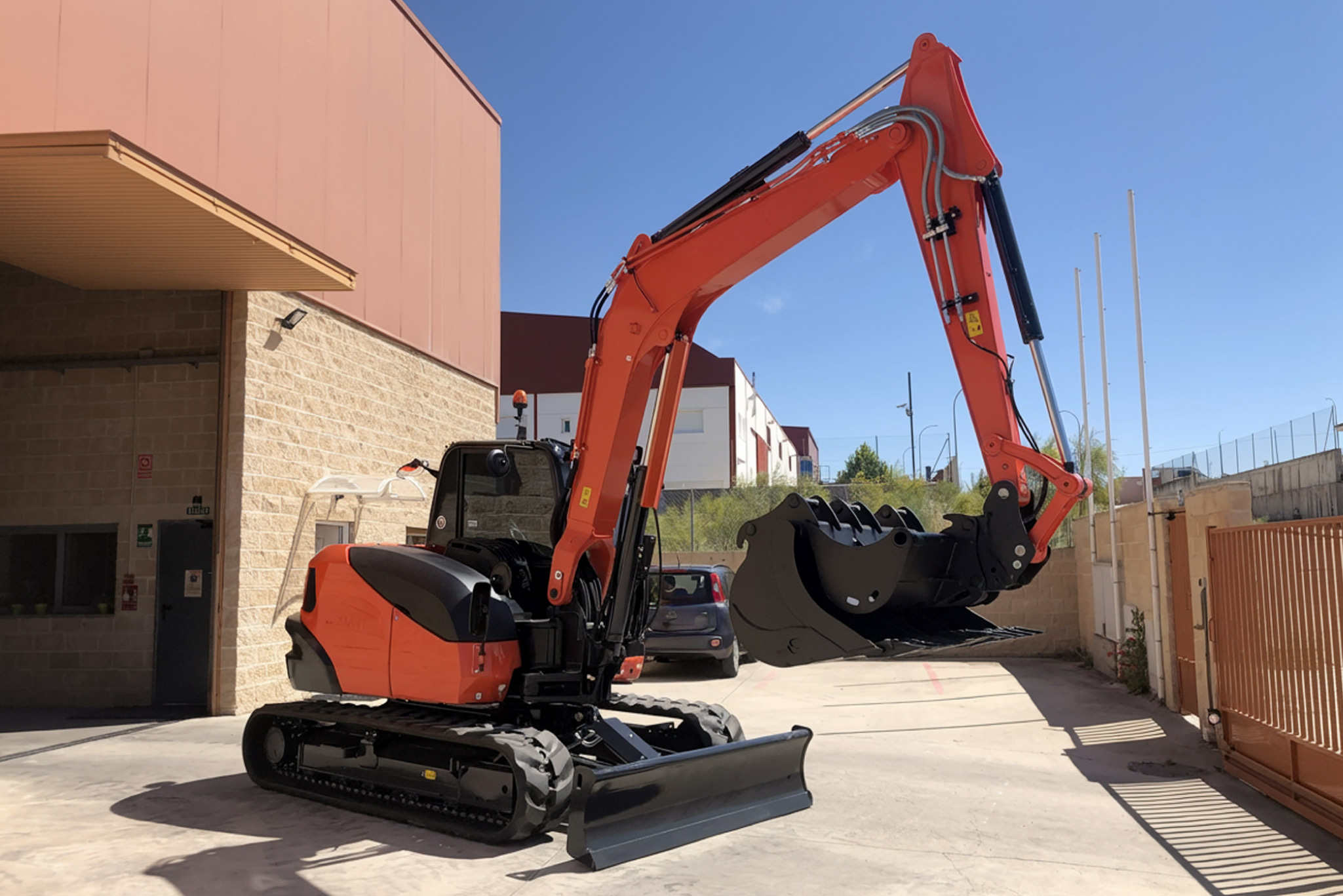
We know that productivity on site depends directly on the tool installed at the end of the excavator arm. It is always this component that remains in constant contact with the ground, enduring impact, abrasion, and continuous stress.
The excavation bucket is therefore the central component of any operation involving soil, sand, debris, trench opening, or earthmoving.
Regardless of the project size—whether trenching for cables and drainage, foundation construction, or general site work—the machine’s performance is directly linked to the quality and suitability of the bucket being used. Digging, moving, and loading with ease is not just a matter of excavator power, but of the excavation bucket’s strength, construction, and precision.
But after all:
- What ensures efficiency on site?
- The bucket width?
- The type of material used?
- Reinforced structure?
- Or the manufacturing processes applied?
Throughout this article, we explain what should be taken into account to maximize performance and work with greater productivity in every operation.
How to choose the right excavation bucket for your machine?
Choosing the right bucket is not just a matter of the coupling system. To ensure maximum on-site performance, several technical factors must be considered, as they directly influence the equipment’s efficiency and durability.
1. Type of soil
More abrasive soils, such as compact sand, gravel, or rocky terrain, require greater wear resistance. In these cases, an HB400 abrasion-resistant blade and a reinforced structure become essential.
2. Machine weight
The bucket must be compatible with the excavator’s weight and capacity. A model that is too heavy can compromise stability and increase fuel consumption, while an undersized model may limit digging capacity.
3. Required width
The width should be selected according to the work to be carried out. Narrower buckets are ideal for technical trenches and precision work, while wider buckets are recommended for moving larger volumes of soil.
4. Type of work
Trench digging, foundation construction, loading, or general excavation work require specific features. The choice should reflect the main application on site.
5. Frequency of use
For intensive daily use, structural robustness and precision manufacturing processes (oxy-cutting, plasma cutting, and robotic welding) make a difference in the equipment’s longevity.
What makes an excavation bucket more durable?
The durability of an excavation bucket essentially depends on three factors: the materials used, structural reinforcement, and the manufacturing process.
In a construction environment, the bucket is constantly subjected to impact, abrasion, and continuous stress. Therefore, durability cannot be a detail — it must be an integral part of the construction.
1. Abrasion-resistant cutting edge
All excavation buckets are equipped with a cutting edge made of abrasion-resistant steel (HB).
This type of steel is specifically developed to withstand wear caused by constant contact with soil, sand, gravel, and debris. The result is:
- Greater wear resistance;
- Reduced need for replacement;
- Extended equipment lifespan;
In demanding jobs, this feature makes a significant difference in daily performance.
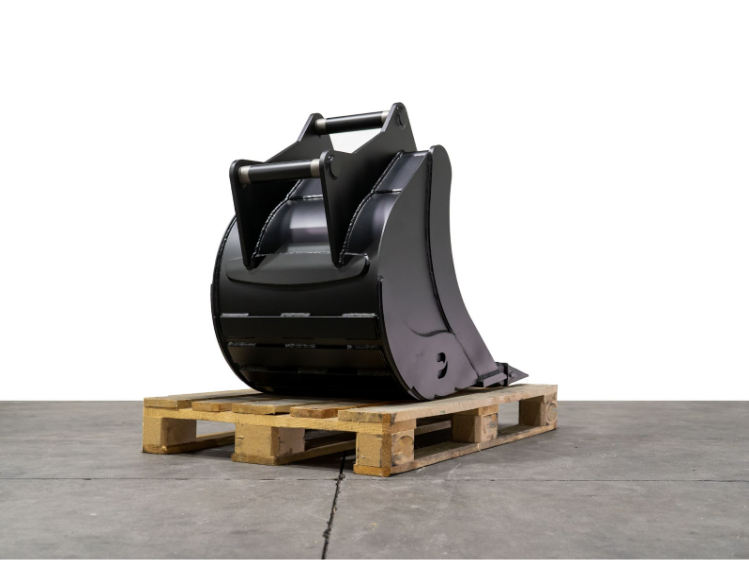
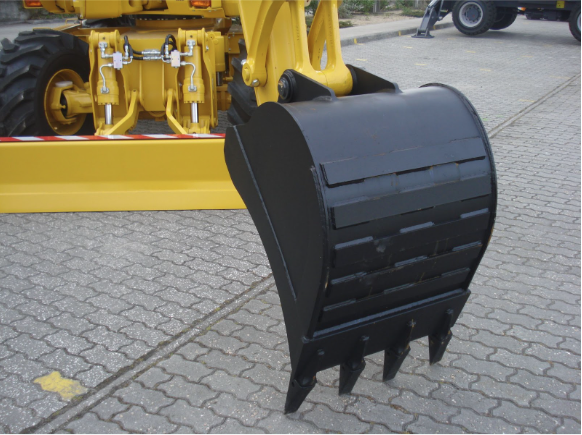
2. Reinforced structure for intensive use
The buckets are manufactured according to OEM standards and designed as general-purpose buckets for everyday use.
Their construction includes:
- Two-piece side plates with a thicker leading edge;
- Wear strips spaced and welded horizontally to protect and reinforce the bottom of the bucket;
- Bolt-on or welded digging teeth, depending on the model;
These structural solutions increase overall robustness and reduce premature wear in high-stress areas.
3. State-of-the-art manufacturing processes
Durability is also linked to manufacturing precision.
All excavation buckets are produced using:
- Oxy-cut and plasma-cut components;
- Robotic welding;
These processes ensure precision in every component, improved structural alignment, and greater strength in welded areas.
Why is it important to invest in a well-built bucket?
A more durable bucket means:
- Fewer maintenance stoppages;
- Higher on-site productivity;
- Reduced operating costs;
- Better utilization of the excavator’s capacity;
How can an excavation bucket influence on-site performance?
The right choice has a direct impact on working speed, machine consumption, operational efficiency, and total execution time. An improperly sized bucket can limit digging capacity and increase excavator wear. On the other hand, a robust bucket manufactured according to OEM standards allows for smoother operation, greater continuity, and consistent performance, even under demanding conditions.
In practice, what truly guarantees on-site performance comes down to very specific factors:
- HB400 abrasion-resistant cutting edge
- Reinforced structure with protected critical areas
- Width suited to the type of work
- Precise manufacturing processes such as oxy-cutting, plasma cutting, and robotic welding
- Proper compatibility with the machine
When these elements are aligned, the result is clear: more work completed per hour, reduced strain on the excavator, and better utilization of installed capacity.
It is this balance that transforms technical strength into real productivity on site.
At Camponesa, you will find solutions designed to meet the demands of your daily work. With different widths available and options tailored to each specific need, you can rely on equipment prepared to face the most demanding challenges.
Explore our product range and discover the right solution for your next project.
FAQs – Frequently Asked Questions about Excavation Buckets
Are there different widths of excavation buckets?
Yes. Buckets are available in various widths to adapt to the type of soil and work required. The width directly influences productivity and excavation precision.
Do excavation buckets make on-site transport easier?
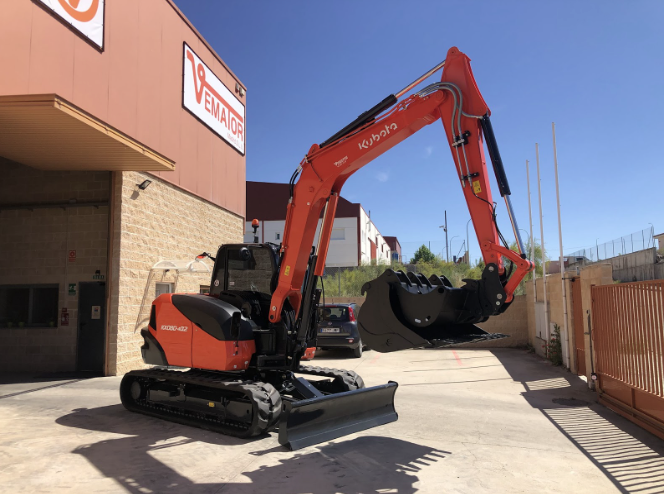
Yes. Excavation buckets are equipped as standard with a practical upper hook that allows grading buckets to be hung and transported in a single movement. This solution increases productivity, reduces movement time between tasks, and improves operational efficiency on site.
What is an abrasion-resistant cutting edge and why is it important?
The HB400 cutting edge is an abrasion-resistant (AR) steel, developed to withstand wear caused by constant contact with soil, sand, and debris.
According to which standards are the buckets manufactured?
The buckets are manufactured according to OEM standards and produced using state-of-the-art processes such as oxy-cutting, plasma cutting, and robotic welding. These methods ensure structural precision and greater resistance to wear.
What types of work can be carried out with excavation buckets?
Excavation buckets are suitable for trench digging, foundation construction, earthmoving, and loading materials such as soil, sand, and debris. They are general-purpose buckets prepared for everyday use on site.
Do excavation buckets increase safety on site?
Yes. When properly sized and manufactured according to quality standards, excavation buckets provide greater stability, wear resistance, and better control during operation.
A robust construction and proper fit to the machine reduce operational risks and contribute to safer and more efficient work on site.
A tool for every job